
Rehabilitation Solutions for Recovering from Work Injuries
When we face a physical setback due to an injury at work, the path to recovery can feel overwhelming. However, with the right rehabilitation solutions, we can regain strength, mobility, and confidence. This article explores practical approaches to recovering from work injuries, focusing on personalized care and effective therapies that support healing and restore function.
Understanding the Process of Recovering from Work Injuries
Recovering from work injuries involves more than just resting and waiting for pain to subside. It requires a structured plan tailored to the specific injury and individual needs. Early intervention is crucial to prevent complications and promote faster healing.
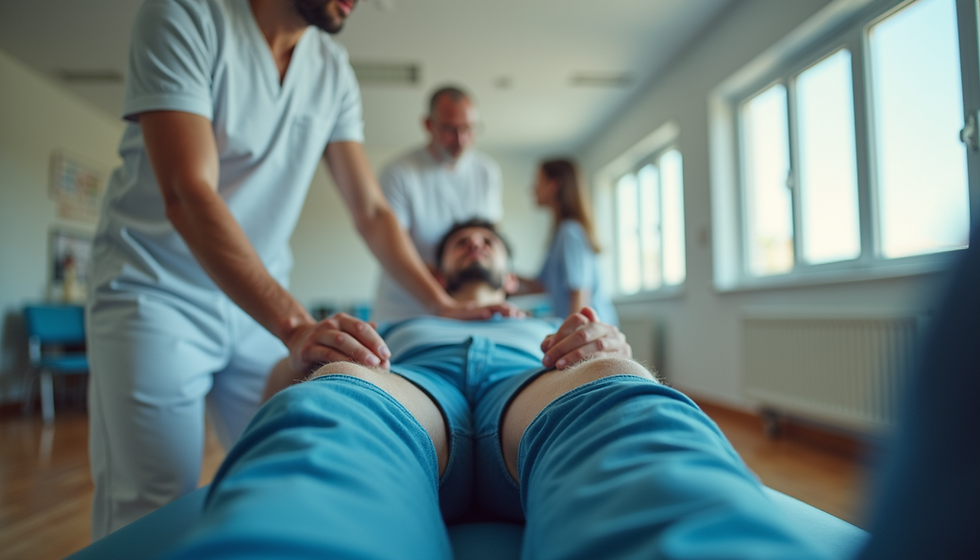
Physical therapy plays a central role in this process. It helps reduce pain, improve range of motion, and rebuild muscle strength. For example, if someone suffers a shoulder strain, targeted exercises can restore flexibility and prevent stiffness. Similarly, for lower back injuries, core strengthening and posture correction are essential components of rehabilitation.
In addition to exercises, modalities such as heat, cold therapy, and electrical stimulation can support recovery by reducing inflammation and enhancing circulation. Our goal is to create a comprehensive program that addresses all aspects of healing, including pain management, functional improvement, and psychological support.
Key Strategies for Recovering from Work Injuries
To maximize recovery, we focus on several key strategies:
Early Assessment and Diagnosis
Prompt evaluation by a healthcare professional ensures the injury is properly identified. This step helps avoid worsening the condition and sets the stage for effective treatment.
Personalized Treatment Plans
Every injury and individual is unique. We develop customized rehabilitation plans that consider the injury type, severity, and the patient’s lifestyle and goals.
Active Rehabilitation
Movement and exercise are vital. We encourage gradual, guided activity to restore function without causing further harm.
Education and Self-Management
Teaching patients about their injury and recovery process empowers them to take an active role. This includes advice on posture, ergonomics, and safe movement techniques.
Regular Monitoring and Adjustments
Recovery is dynamic. We continuously assess progress and modify treatment plans to ensure optimal outcomes.
By following these strategies, we help individuals return to their daily activities and work duties safely and confidently.

What Happens if I Have an Injury at Work?
If you experience an injury while working, it is important to take immediate and appropriate steps. First, report the injury to your employer as soon as possible. This ensures that your case is documented and that you receive the necessary support.
Next, seek medical attention promptly. Early diagnosis and treatment can prevent complications and speed up recovery. Depending on the injury, your healthcare provider may recommend rest, medication, or physical therapy.
During the recovery period, it is essential to follow your treatment plan closely. This may include attending therapy sessions, performing prescribed exercises at home, and avoiding activities that could aggravate the injury.
We understand that returning to work after an injury can be challenging. Modified duties or gradual return-to-work programs can help ease this transition. Communicating openly with your employer and healthcare team ensures that your recovery is supported every step of the way.
Rehabilitation Techniques That Support Healing
Several rehabilitation techniques have proven effective in treating work-related injuries. These include:
Manual Therapy
Hands-on techniques such as massage and joint mobilization help reduce pain and improve mobility.
Therapeutic Exercises
Strengthening, stretching, and balance exercises restore function and prevent future injuries.
Neuromuscular Re-education
This approach retrains the nervous system to improve coordination and movement patterns.
Functional Training
Simulating work-related tasks prepares the body for a safe return to job duties.
Pain Management Modalities
Techniques like ultrasound, electrical stimulation, and cold laser therapy can alleviate discomfort and promote tissue healing.
Each technique is selected based on the injury and individual needs. Combining these methods creates a holistic rehabilitation program that addresses both physical and functional recovery.

Supporting Long-Term Recovery and Prevention
Recovering from a work injury is not just about healing the immediate damage. It also involves preventing future injuries and maintaining overall health. We emphasize the importance of:
Ergonomic Assessments
Evaluating and adjusting the workplace to reduce strain and injury risk.
Ongoing Exercise and Conditioning
Maintaining strength and flexibility to support the body’s demands.
Education on Body Mechanics
Learning proper lifting techniques and posture to protect joints and muscles.
Stress Management
Addressing psychological factors that can affect pain perception and recovery.
By integrating these elements into daily life, we help individuals sustain their recovery and improve their quality of life.
Moving Forward with Confidence
Recovering from a work injury requires patience, commitment, and the right support. At Complete Physical Therapy, we are dedicated to providing personalized, comprehensive care that guides you through every stage of recovery. Our team works closely with you to develop effective rehabilitation solutions that restore function and help you return to the activities you enjoy.
Remember, healing is a journey. With the right approach, you can overcome the challenges of injury and move forward with confidence and strength. We are here to support you every step of the way.


Comments