
Key Insights from a Comprehensive Sports Medicine Course
- Kerwin Yenter, PT
- Aug 6, 2025
- 3 min read
Understanding how to maintain and improve physical function is essential for anyone leading an active lifestyle. Whether you are an athlete, a fitness enthusiast, or someone recovering from an injury, gaining knowledge in sports care training can significantly enhance your performance and well-being. This article explores key insights from a comprehensive sports care training program, offering practical advice and actionable tips to help you optimize your physical health.
The Importance of Sports Care Training for Active Individuals
Sports care training focuses on preventing injuries, improving recovery, and enhancing overall physical function. It equips individuals with the skills and knowledge to manage common sports-related issues effectively. For active people, this training is invaluable because it:
Reduces the risk of injury by teaching proper techniques and body mechanics.
Enhances recovery through targeted rehabilitation exercises.
Improves performance by optimizing movement patterns and strength.
Promotes long-term health by addressing underlying biomechanical imbalances.
For example, learning how to properly warm up and cool down can prevent muscle strains and joint problems. Additionally, understanding the role of nutrition and hydration supports sustained energy levels during physical activity.

Proper stretching techniques help prevent injuries and improve flexibility.
Core Components of Effective Sports Care Training
A well-rounded sports care training program covers several essential areas. These components work together to provide a holistic approach to physical health and function:
Injury Prevention
Training includes education on common injuries such as sprains, strains, and overuse conditions. Techniques like dynamic warm-ups, balance exercises, and strength training are emphasized to protect vulnerable areas.
Rehabilitation and Recovery
Post-injury care is critical. The program teaches how to design personalized rehab plans that include mobility work, progressive strengthening, and pain management strategies.
Performance Enhancement
Sports care training also focuses on improving athletic performance through biomechanical assessments, movement correction, and sport-specific conditioning.
Nutrition and Hydration
Proper fueling and hydration strategies are discussed to support energy demands and recovery processes.
Psychological Aspects
Mental resilience and motivation are addressed to help individuals stay committed to their fitness goals.
By integrating these components, participants gain a comprehensive understanding of how to maintain peak physical condition.
What is the study of sports medicine?
Sports medicine is a specialized field that focuses on the prevention, diagnosis, treatment, and rehabilitation of injuries related to physical activity and sports. It combines knowledge from various disciplines such as orthopedics, physical therapy, nutrition, and exercise science to support athletes and active individuals.
The study of sports medicine involves:
Understanding injury mechanisms to develop effective prevention strategies.
Applying diagnostic tools like imaging and physical assessments to identify problems.
Designing treatment plans that may include manual therapy, exercise prescription, and sometimes surgical intervention.
Promoting safe return to activity through gradual progression and monitoring.
This multidisciplinary approach ensures that individuals receive tailored care that addresses their unique needs and goals.
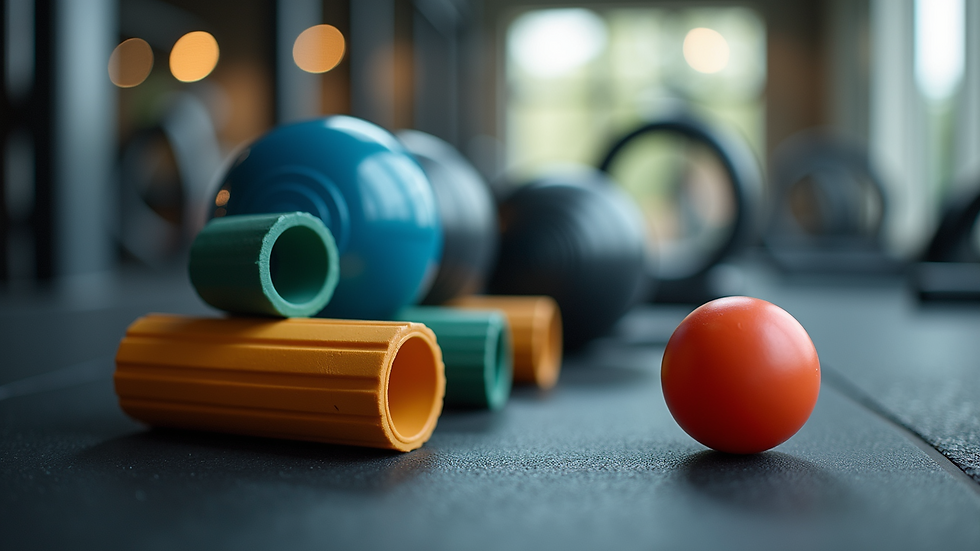
Essential tools in sports medicine aid in injury recovery and functional improvement.
Practical Tips to Apply Sports Care Training in Daily Life
Incorporating sports care principles into your routine can make a significant difference in your physical health. Here are some actionable recommendations:
Warm up properly before any physical activity with dynamic movements that increase blood flow and prepare muscles.
Focus on form during exercises to avoid unnecessary strain and maximize effectiveness.
Include strength and balance training to support joints and improve stability.
Listen to your body and rest when you experience pain or excessive fatigue.
Use recovery tools such as foam rollers, massage, and ice packs to reduce muscle soreness.
Stay hydrated and maintain a balanced diet rich in protein, healthy fats, and carbohydrates.
Seek professional advice if you experience persistent pain or injury.
By following these tips, you can enhance your function and reduce the likelihood of setbacks.
How a Sports Medicine Course Can Elevate Your Knowledge
Enrolling in a sports medicine course offers a structured way to deepen your understanding of sports care. Such courses provide:
Expert guidance from experienced professionals.
Hands-on learning through practical demonstrations and case studies.
Up-to-date information on the latest research and techniques.
Networking opportunities with like-minded individuals passionate about health and fitness.
Whether you are a coach, trainer, or active individual, this education empowers you to make informed decisions about your physical care and performance.

Interactive learning environments enhance understanding of sports care principles.
Moving Forward with Confidence in Your Physical Health
Gaining insights from comprehensive sports care training equips you with the tools to take control of your physical function. By understanding injury prevention, rehabilitation, and performance enhancement, you can enjoy an active lifestyle with reduced risk and improved outcomes.
Remember, consistent application of these principles and ongoing education are key to long-term success. Whether you choose to pursue formal training or integrate these tips into your daily routine, your body will thank you for the care and attention.
Stay motivated, stay informed, and keep moving toward your best self.


Comments