
Effective Sports Injury Recovery Methods in Downers Grove, IL
Updated: Apr 22
Recovering from a sports injury can be challenging, but with the right approach, we can regain strength, mobility, and confidence. Whether you are a weekend warrior or a dedicated athlete, understanding effective sports injury recovery methods is essential. In Downers Grove, IL, we have access to excellent resources and expert care that can guide us through the healing process. This post will walk you through practical steps and strategies to help you recover efficiently and safely.
Understanding Sports Injury Recovery Methods
When we talk about sports injury recovery methods, we refer to a combination of treatments and practices designed to restore function and reduce pain. Recovery is not just about resting; it involves active participation in rehabilitation and making informed choices.
Some common sports injuries include sprains, strains, fractures, and tendonitis. Each injury requires a tailored recovery plan, but some principles apply universally:
Rest and Protection: Initially, it’s important to protect the injured area to prevent further damage.
Controlled Movement: Gradually introducing movement helps maintain flexibility and prevents stiffness.
Strengthening Exercises: Building strength around the injured area supports healing and prevents re-injury.
Pain Management: Using ice, heat, or medication as advised can control discomfort.
Professional Guidance: Working with physical therapists or specialists ensures proper technique and progress.
By following these methods, we can speed up recovery and return to our activities with confidence.

Key Sports Injury Recovery Methods to Follow
Let’s explore some of the most effective recovery methods that we can apply after a sports injury:
1. Immediate Care: R.I.C.E. Method
The R.I.C.E. method is a well-known first step after an injury:
Rest: Avoid putting weight or strain on the injured area.
Ice: Apply ice packs for 15-20 minutes every 2-3 hours to reduce swelling.
Compression: Use elastic bandages to limit swelling and provide support.
Elevation: Keep the injured limb raised above heart level to minimize swelling.
This approach helps control inflammation and pain during the first 48-72 hours.
2. Gradual Mobilization
After the initial phase, gentle movement is crucial. We should start with range-of-motion exercises to prevent stiffness. For example, if you have a sprained ankle, ankle circles and gentle stretches can help maintain flexibility.
3. Strength Training
Once pain and swelling decrease, strengthening exercises become the focus. These exercises target muscles around the injury to provide stability. A physical therapist can design a program that fits your specific needs.
4. Balance and Coordination
Sports often require balance and coordination. Incorporating balance exercises, such as standing on one leg or using a balance board, helps restore these skills and reduces the risk of future injuries.
5. Functional Training
Functional training mimics the movements you perform in your sport or daily activities. This step prepares your body to return to full activity safely.
6. Patience and Consistency
Recovery takes time. It’s important to follow the plan consistently and avoid rushing back into intense activity too soon.
By combining these methods, we create a comprehensive recovery plan that addresses all aspects of healing.
How Professional Care Enhances Recovery
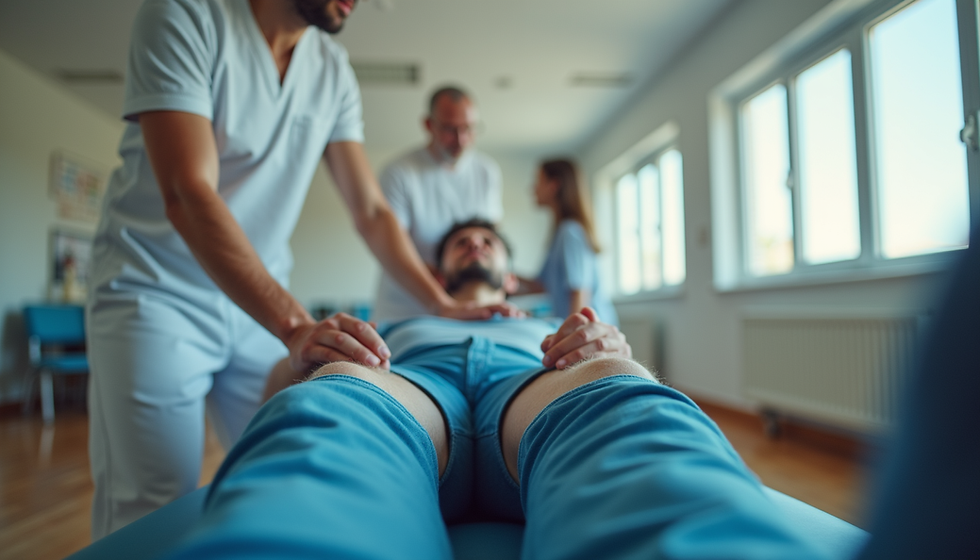
While self-care is important, professional guidance can make a significant difference. Visiting a sports injury clinic offers access to specialized physical therapists who understand the complexities of sports injuries.
At a professional clinic, we receive:
Accurate Diagnosis: Identifying the exact nature of the injury.
Personalized Treatment Plans: Tailored exercises and therapies based on individual needs.
Advanced Therapies: Techniques such as manual therapy, ultrasound, or electrical stimulation.
Progress Monitoring: Regular assessments to adjust the recovery plan.
Education and Support: Guidance on injury prevention and lifestyle adjustments.
Working with experts ensures that we recover safely and effectively, reducing the chance of setbacks.

Practical Tips for Supporting Your Recovery at Home
In addition to professional care, there are several things we can do at home to support recovery:
Follow the Exercise Plan: Stick to the prescribed exercises and avoid skipping sessions.
Maintain a Healthy Diet: Proper nutrition supports tissue repair and overall health.
Stay Hydrated: Water helps flush out toxins and keeps muscles flexible.
Get Adequate Sleep: Rest is vital for healing and energy restoration.
Avoid Smoking and Excessive Alcohol: These can slow down the healing process.
Use Supportive Gear: Braces or taping can provide extra stability during recovery.
Listen to Your Body: If pain increases or new symptoms appear, seek professional advice.
By integrating these habits, we create an environment that promotes healing and strengthens our body.
Returning to Activity Safely
One of the biggest challenges after a sports injury is knowing when and how to return to activity. Premature return can lead to re-injury, while prolonged inactivity can cause loss of fitness.
Here are some guidelines to help us transition back:
Clearance from Professionals: Always get approval from your therapist or doctor.
Gradual Increase: Start with low-intensity activities and slowly increase duration and intensity.
Warm-Up and Cool-Down: Prepare your body before exercise and help it recover afterward.
Use Proper Technique: Focus on form to avoid unnecessary strain.
Cross-Training: Incorporate different types of exercise to reduce repetitive stress.
Monitor Symptoms: Stop if you experience pain, swelling, or discomfort.
By following these steps, we can enjoy our favorite sports and activities while minimizing the risk of future injuries.
Embracing a Holistic Approach to Recovery
Effective sports injury recovery is not just about the physical aspect. Mental and emotional well-being play a crucial role. Injuries can be frustrating and discouraging, but maintaining a positive mindset helps us stay motivated.
Consider these additional strategies:
Set Realistic Goals: Break down recovery into manageable milestones.
Stay Connected: Engage with friends, family, or support groups.
Practice Relaxation Techniques: Meditation or deep breathing can reduce stress.
Celebrate Progress: Acknowledge small victories along the way.
By embracing a holistic approach, we nurture both body and mind, paving the way for a full and lasting recovery.
Recovering from a sports injury requires patience, dedication, and the right support. By understanding and applying effective sports injury recovery methods, we can regain our function and return to the activities we love. If you are in the Naperville area, consider reaching out to a sports injury clinic to get personalized care tailored to your needs. Together, we can work towards a stronger, healthier future.



Comments